Permits & rules
Kitchen or bathroom renovation in NYC: do you need a permit?
Some renovations need no permit at all; most kitchen and bathroom remodels do. Here is how the NYC Department of Buildings draws the line, who files what, and the steps that come before the permit.
The short answer: cosmetic work usually doesn’t need a permit, and most real kitchen and bathroom renovations do. The NYC Department of Buildings (DOB) decides based on what changes, not on the size of the room or the budget.
This guide explains where the line sits, who files each kind of permit, and the steps that come before a permit can be issued. Rules vary by building type and change over time, so use it to plan, then confirm the details for your project with your architect or the DOB.
Work that usually does not need a DOB permit
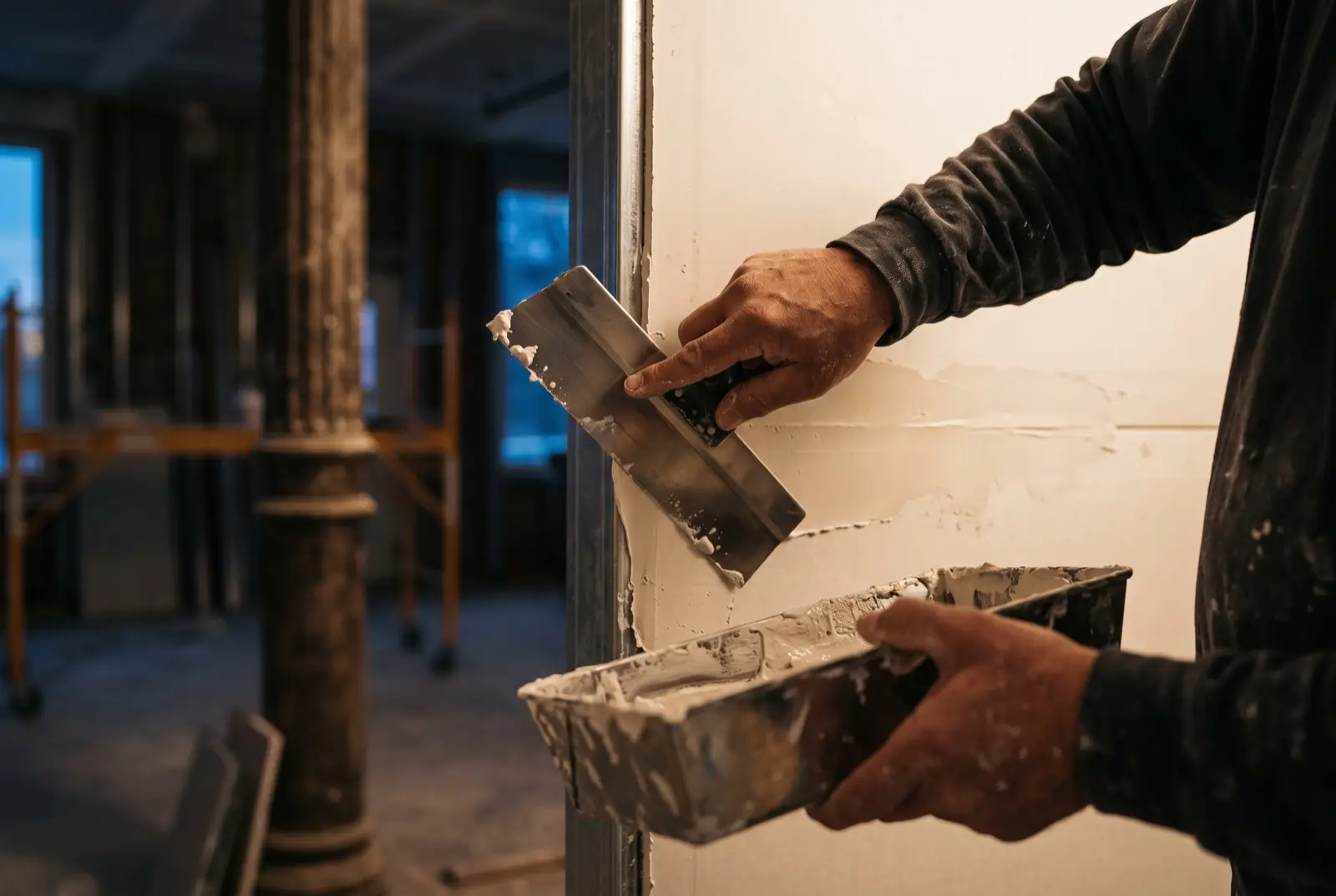
- Painting, plastering and similar finishes.
- New cabinets. The DOB lists cabinet installation as exempt from a permit.
- Direct replacement of plumbing fixtures, such as a toilet, sink or faucet in the same place, as long as the fixture’s shut-off valves and trap are not changed. The DOB treats this as cosmetic work. It must still be done by a Licensed Master Plumber.
Exempt from a permit does not mean exempt from rules. In a co-op or condo, the building may still require approval for any of this work.
Work that needs filings
Plumbing beyond a direct swap
Plumbing work is done and filed by a Licensed Master Plumber. Limited work, such as replacing fixtures in kind beyond a simple swap or adding a small number of fixtures, goes through a Limited Alteration Application (LAA). Anything larger is part of an alteration permit.
Most kitchen and bathroom renovations
According to the DOB, most kitchen and bathroom renovations require an alteration permit filed by a registered architect (RA) or professional engineer (PE). The DOB’s own examples include:
- adding a new bathroom,
- rerouting gas pipes,
- adding electrical outlets.
In practice, if you are moving fixtures, opening walls, changing the layout or touching gas, plan on drawings and an alteration filing.
Electrical work
Electrical work has its own permit, filed by a licensed electrician. New circuits for a kitchen, lighting, outlets and bathroom exhaust fans are all common parts of a renovation that fall under it.
Gas
Gas piping is handled by a Licensed Master Plumber with its own filings and inspections. Moving a range or adding a gas line is never a casual change in a New York building.
Steps that come before the permit
Asbestos
Before the DOB issues a permit for work that disturbs building materials, the owner must show that asbestos has been addressed. A certified asbestos investigator inspects the areas affected by the work. If no asbestos project is involved, the investigator files an assessment report (form ACP-5); if asbestos must be removed, abatement is filed and completed first.
Older buildings are where this matters most: old floor tiles, pipe insulation and some plasters can contain asbestos.
Landmarks
If your building is an individual landmark or sits in a historic district, interior work that needs a DOB permit also needs approval from the Landmarks Preservation Commission (LPC), usually a Certificate of No Effect, before the DOB permit is issued. Some interior work qualifies for an expedited review. Exterior work is reviewed separately. Read more in our guide to renovating a landmarked building.
The building’s own approval
Co-ops and condos approve renovations through an alteration agreement, often before anything is filed with the city. See renovating a co-op in NYC.
Why it is worth doing properly
Permits and inspections are not just paperwork:
- Inspections catch problems while walls are still open: a drain without enough slope, an overloaded circuit, missing fire-stopping.
- Your building and insurer may ask for them, especially after a leak or a fire.
- Unpermitted work can surface later, when you sell, refinance or apply for future permits, and legalizing it is usually harder than permitting it at the start.
You can look up a property’s existing filings, permits and violations on the DOB’s public portals by address. It is worth doing before you plan, especially in a home you just bought.
Bathroom or kitchen renovation permits in NYC, at a glance
| If your project… | Expect |
|---|---|
| Paints, refinishes or replaces cabinets | Usually no DOB permit |
| Swaps a toilet, sink or faucet in place | No permit; Licensed Master Plumber |
| Replaces or adds a few fixtures | Limited Alteration Application by a plumber |
| Moves fixtures, opens walls, touches gas | Alteration permit by an architect or engineer, plus plumbing and electrical filings |
| Is in a landmarked building | LPC approval before the DOB permit |
| Is in a co-op or condo | Building approval under the alteration agreement |
Planning a renovation?
Kitchen and bathroom projects often involve several of these steps at once. If you are planning one in Brooklyn, Manhattan or Queens, see how we run general contracting projects, or send us your project details for a free estimate.
Quick answers
Do I need a permit to replace kitchen cabinets in NYC?
Installing cabinets is exempt from a Department of Buildings permit. If the job also moves plumbing, gas or electrical work, those parts need their own filings.
Who files the permit for a bathroom renovation?
It depends on the scope. Limited plumbing work is filed by a Licensed Master Plumber. Larger renovations need an alteration permit filed by a registered architect or professional engineer. Electrical work is filed separately by a licensed electrician.
What happens if a renovation was done without a permit?
Unpermitted work can lead to violations and can come up when you sell, refinance or file for future work. It may need to be legalized with new filings and inspections, which is usually harder than permitting it at the start.
How do I check what permits a building already has?
The Department of Buildings publishes filings, permits and violations for every property on its public portals, searchable by address.
Sources
- NYC Department of Buildings: Does my project require a permit?
- NYC Department of Buildings: Renovating kitchens & bathrooms
- NYC Department of Buildings: Plumbing permits
- NYC Department of Buildings: Asbestos & abatement permit
- NYC Landmarks Preservation Commission: Certificate of No Effect
This guide is general information, not legal or professional advice. Rules change and vary by building: confirm the details for your project with your architect, your building and the city agencies listed above.