Permits & rules
Renovating a landmarked NYC building: what needs approval.
Renovating a landmarked building in NYC? Brooklyn Heights, Cobble Hill, Park Slope and Boerum Hill are all historic districts. Here is what the Landmarks Preservation Commission reviews when you renovate there, and how it fits with your other approvals.
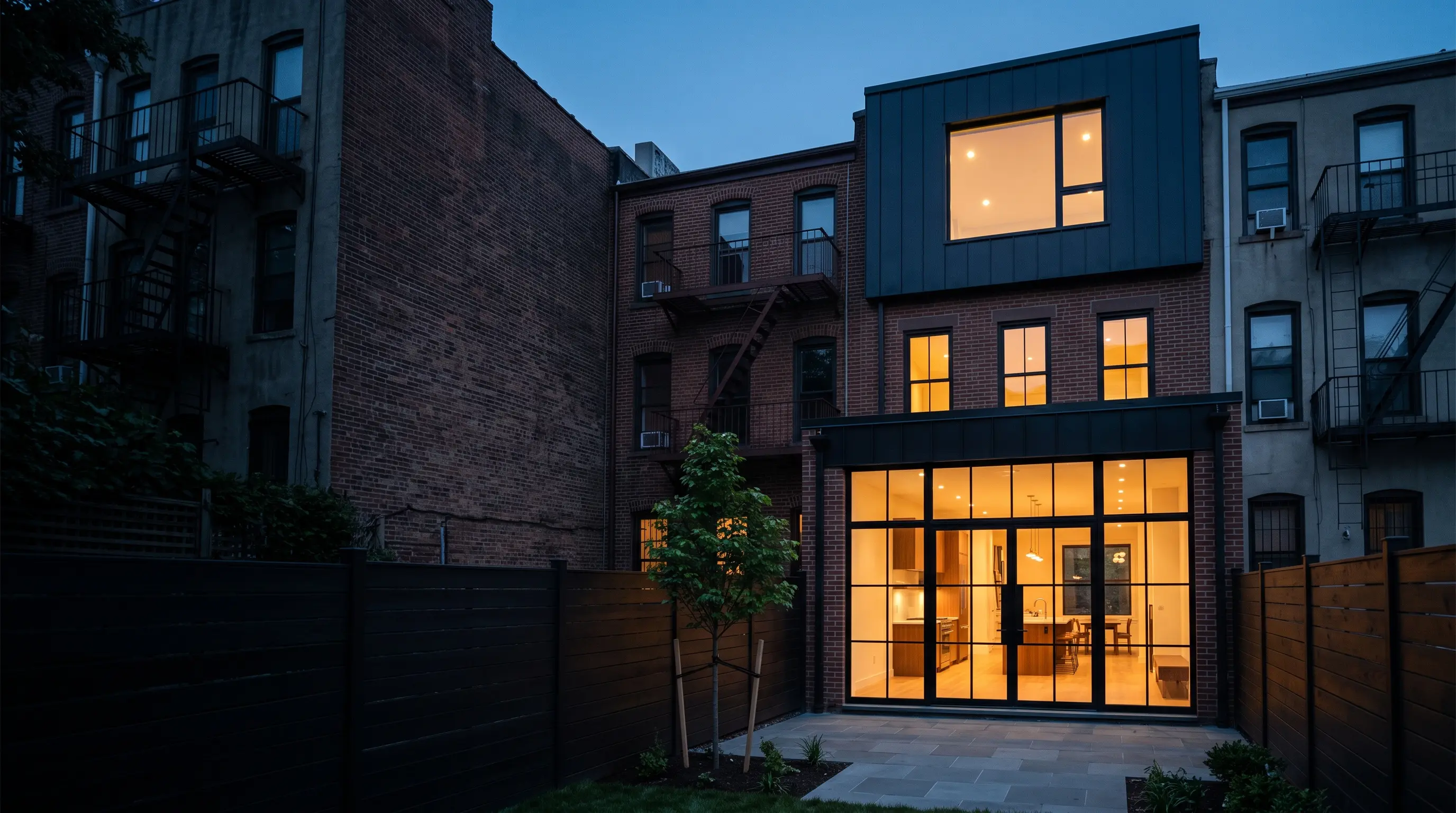
A large part of brownstone Brooklyn is protected. Brooklyn Heights became New York City’s first historic district in 1965, and Cobble Hill (1969), Park Slope and Boerum Hill (both 1973) followed. Parts of Manhattan, from Greenwich Village to the Upper West Side, are protected too.
If your home is in one of these districts, or is an individual landmark, the Landmarks Preservation Commission (LPC) has a role in your renovation. Here is what it reviews and how it fits with everything else.
What the LPC protects
The LPC regulates three kinds of designated properties:
- Individual landmarks: specific buildings.
- Historic districts: every building inside the district boundary, whether it is grand or modest.
- Interior landmarks: a small number of interiors open to the public, like lobbies and halls.
For most homeowners, the question is whether the house or apartment building sits inside a historic district. The LPC publishes maps of every district, and your architect can confirm it.
Exterior work: three kinds of LPC permit
Anything that changes the outside of a protected building goes through the LPC. Depending on what you change, it issues one of three permits:
- Permit for Minor Work: restorative or appropriate exterior work that does not need a Department of Buildings permit, such as restoring a facade or replacing windows to match.
- Certificate of No Effect: work that needs a DOB permit but does not affect the building’s protected features.
- Certificate of Appropriateness: work that significantly affects protected features, such as additions, new construction or removing stoops and cornices. It goes before the full commission.
Windows, doors, stoops, ironwork, cornices, facade repairs, rooftop structures and additions visible from the street are the usual suspects.
Interior work: when the LPC is involved
This is where many homeowners are surprised. Even if you only renovate inside, if the work needs a DOB permit, it needs LPC approval first. For interior work that does not affect the protected exterior, that approval is usually a Certificate of No Effect, and the DOB will not issue its permit until the LPC has.
Some interior projects qualify for an expedited Certificate of No Effect, where a licensed professional certifies that the work meets the commission’s criteria. Applications are filed online through the LPC’s Portico portal.
Interior work that needs no DOB permit, like painting or refinishing floors, generally doesn’t involve the LPC at all.
Common projects and what they usually need
The LPC staff decide the exact permit once they see a complete application, but most projects in a historic district fall into a familiar pattern:
| Project | Usually involves |
|---|---|
| Kitchen or bathroom renovation inside the house, with a DOB permit | Certificate of No Effect (often eligible for expedited review), then DOB filings |
| Painting, refinishing floors, replacing cabinets in place | Usually no LPC filing |
| Replacing windows to match the originals | Permit for Minor Work |
| Facade or stoop restoration | Permit for Minor Work, or more if features change |
| New HVAC equipment visible from the street | LPC review of location and visibility |
| Rear extension or rooftop addition | Certificate of Appropriateness, with full commission review |
| Removing a stoop or cornice | Certificate of Appropriateness |
Two practical points: work that is not visible from the street is usually easier to approve, and restoring an original feature is usually easier than replacing it with something new.
The order of approvals
A typical renovation in a historic district goes like this:
- Confirm the designation and what is protected.
- Design, keeping exterior changes to what the LPC is likely to approve.
- LPC application, for the exterior work and for any interior work that needs a DOB permit.
- DOB filings, once the LPC has approved.
- Building approval, if it is a co-op or condo, usually in parallel.
- Work, inspections and sign-offs.
For the city filings themselves, see our guide to renovation permits in NYC.
Inside an old house: what to plan for
Historic districts are full of 19th-century brownstones and rowhouses. Whatever the LPC reviews, the inside of these houses has its own needs:
- Plaster and moldings: original cornices, ceiling medallions and door casings are worth protecting during work, and sometimes worth restoring.
- Old systems: cast-iron and galvanized pipes, outdated wiring and abandoned gas lines are common behind the walls.
- Structure: joists notched by past plumbers, sagging floors and settled walls show up once rooms are opened.
- Lead paint: homes built before 1978 may have lead paint. Federal rules require lead-safe work practices when paid contractors disturb painted surfaces in those homes.
We cover these in more detail in our brownstone renovation guide.
Planning a renovation in a landmarked NYC building?
We work in Brooklyn’s historic neighborhoods, including Brooklyn Heights, Park Slope, Cobble Hill and Boerum Hill, and in Manhattan. See our bathroom remodeling in Brooklyn Heights page, how we run general contracting projects, or send us your project details for a free estimate.
Quick answers
Do I need landmarks approval to renovate the inside of my brownstone?
If the interior work needs a Department of Buildings permit, yes: the Landmarks Preservation Commission must approve it first, usually with a Certificate of No Effect, as long as the work does not affect the protected exterior. Interior work that needs no DOB permit generally does not need LPC approval, unless the interior itself is a designated landmark.
How do I know if my building is landmarked?
The Landmarks Preservation Commission publishes maps of every individual landmark and historic district. Your architect can also confirm the designation when reviewing your property.
Can I replace my windows in a historic district?
Usually yes, but window replacements are exterior work and are reviewed by the Landmarks Preservation Commission. The commission looks at materials, profiles and how the new windows match the building's character.
Sources
- NYC Landmarks Preservation Commission: Certificate of No Effect
- NYC Landmarks Preservation Commission: Expedited reviews
- NYC Landmarks Preservation Commission: Permit for Minor Work
- NYC Landmarks Preservation Commission: Certificate of Appropriateness
- NYC Landmarks Preservation Commission: Brooklyn Heights Historic District map
This guide is general information, not legal or professional advice. Rules change and vary by building: confirm the details for your project with your architect, your building and the city agencies listed above.